Soybean Aphids
Something went wrong. Please try again later...
Soybean aphids can infest soybean plants, causing yellowing, stunted growth, and reduced pod count or seed size. Aphids use their piercing sucking mouthparts to extract plant sap from the stem and leaves of soybean plants and are capable of transmitting viruses. A sooty mold can develop on the leaf surface from aphid secretions, which further reduces photosynthesis. Aphids like to stay towards the top of the plants, around the new growth but later in the season they are commonly found throughout the canopy.
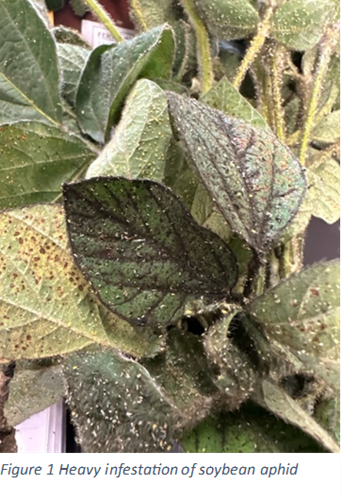
Soybean aphids have a rapid life cycle. They overwinter on buckthorn trees as eggs, hatch in the spring and produce 2-3 generations before the winged females invade nearby soybean fields. The female aphids are fertile without mating, allowing a single aphid to produce up to eight offspring per day for 10-20 days. Aphid populations can double in a field over 2-3 days if temperatures are between 70-77°F with low humidity.
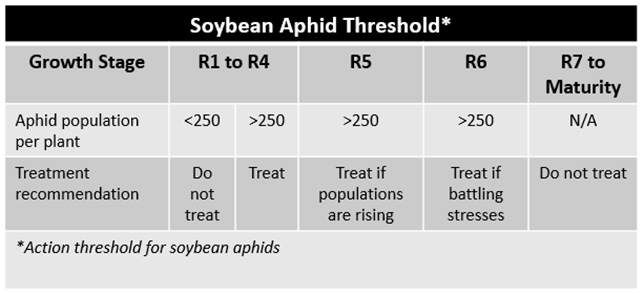
Stressed plants are more likely to be infested with aphids, so be sure to scout those areas. Sample at least 20-30 plants per field and be sure to count winged and wingless aphids. Fields with aphids should be rechecked at least every 7-10 days. Once aphid levels exceed 250 per plant, treatment is recommended. Biological control agents like ladybugs and lacewings can be used to control aphid populations. A more common treatment is to spray a foliar insecticide.
If you have any questions, please contact your local Dairyland Seed DSM or Regional Agronomist.