Spring Green Up and Burndown
Something went wrong. Please try again later...
Warmer weather experienced across the Dairyland Seed footprint has started to turn fields of winter wheat, cover crops and alfalfa a deeper green -- a sign that these crops are breaking dormancy and spring has arrived. This green up is not only noticeable in these crops, but a green hue can also be seen in fields intended for soybean and corn production this year.
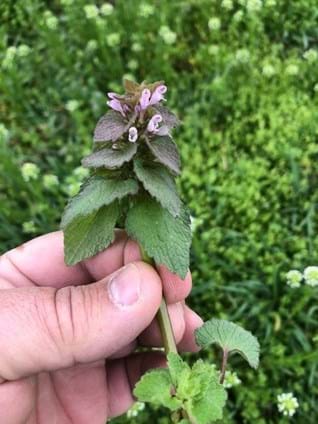
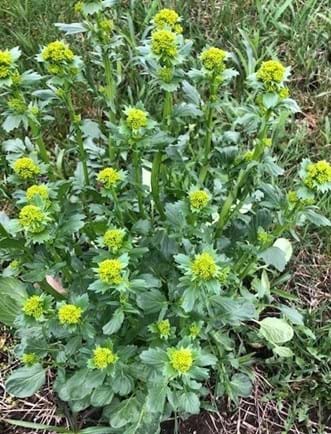
The arrival or green up of winter annual weeds is beginning in many areas and control of these weeds is important for season-long weed control. This article includes photos of several spring weeds.
Many of these weeds, such as shepherds purse, marestail, pennycress, and cressleaf groundsel, begin life in a rosette stage. The rosette stage refers to a plant that is low to the ground, generally with a circular leaf orientation. These plants then “bolt” upright and begin vegetative and reproductive growth. Burndown chemistries are most effective on these weeds when they are in the rosette stage. Timely applications can help to ensure control.
 |
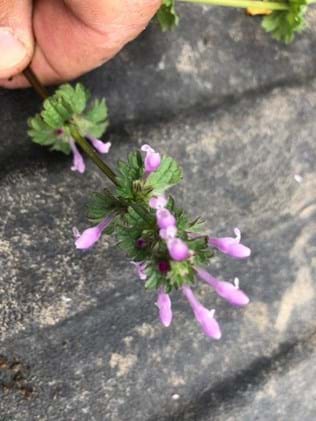 |
| PURPLE DEADNETTLE | HENBIT |
TheThe impact on yield that weeds have regarding competition for water and nutrients is well understood, but heavy early weed pressure can also harbor insect pests as well. For example, cutworm populations are donated to the Dairyland Seed footprint through storm fronts from the Gulf and southern US. Cutworm moths are often attracted to areas of fields with vegetation such as a weed patch. We have also noted that marestail, and others, can be a secondary host for asiatic garden beetle in areas that see heavy AGB pressure. Early weed control is key to the start clean, stay clean weed control system.
 |
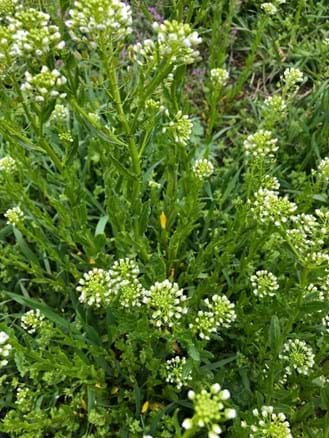 |
| WINTERCRESS | FIELD PENNYCRESS |
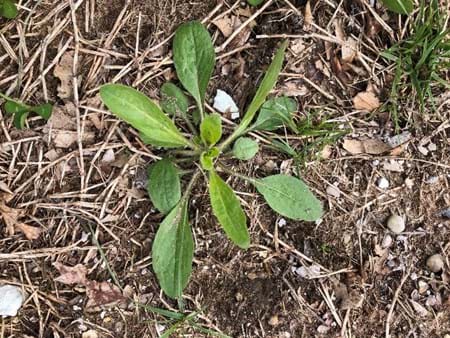
MARESTAIL ROSETTE
 |
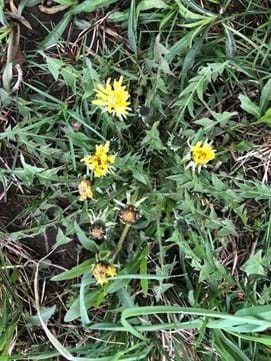 |
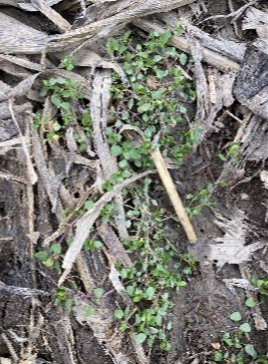
| COMMON CHICKWEED | DANDELION |